
Equine SAA Testing for Veterinary professionals Practices
Quantitative horse inflammation testing with the BIODX Advanced Fluorescence Immunoassay
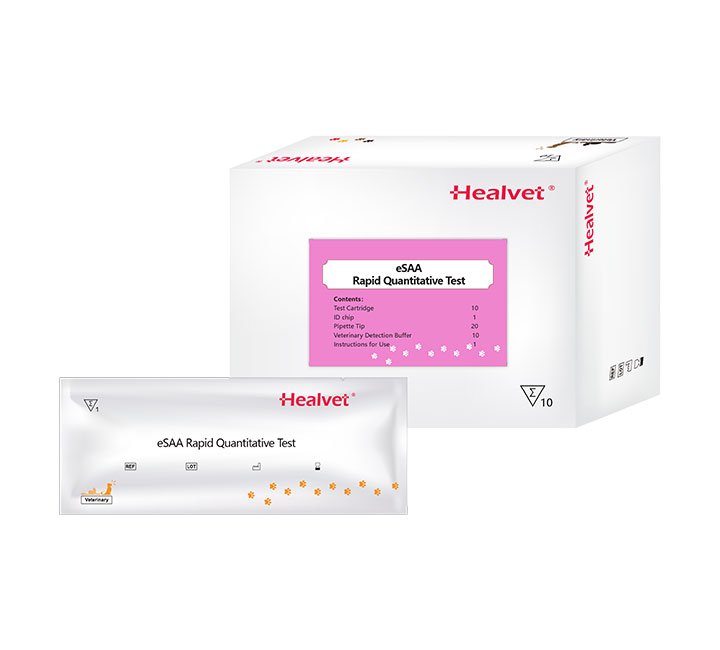
When a horse is unwell, a timely measure of inflammation can add useful information to the clinical picture. Equine Serum Amyloid A (SAA) is an acute-phase protein that may rise rapidly in response to inflammatory stimuli. Measuring SAA can help a veterinarian assess an inflammatory response and follow how it changes during treatment or recovery.
BIODX offers an equine SAA assay for use with the HV-FIA 3000 Veterinary Immunofluorescence Analyser. BIODX quantitative measurement from equine serum or plasma, using a 10 μL sample and an approximate five-minute reaction time.
What is Equine SAA?
Serum Amyloid A is an acute-phase protein. In horses, its concentration is generally low in health and can increase in response to inflammatory signals. The liver produces SAA as part of the body’s response to inflammation. The degree and timing of change depend on the individual horse, the condition, its stage, treatment and the test method.
An equine SAA test measures the concentration of this protein in a compatible blood sample. The result provides a laboratory measurement to consider with clinical findings. A raised result indicates an SAA response; it does not by itself establish the cause, location or severity of disease. A result within a reference interval also cannot rule out every infection or local inflammatory condition.
SAA is often considered alongside other diagnostic information, such as physical examination, temperature, complete blood count, fibrinogen, imaging, culture or targeted testing. Which tests are appropriate depends on the clinical question and the veterinarian’s assessment. Check Advanced Fluorescence Immunoassay Analyser
Who is equine SAA testing for?
This Immunoassay Analyser page is intended for veterinary professionals evaluating diagnostic options for horses. It may be relevant to:
When might a veterinarian use an equine SAA test?
How does equine SAA testing work?
Meet the BIODX Equine SAA Assay
The BIODX equine SAA assay is listed for the HV-FIA 3000 Veterinary Immunofluorescence Analyser. A fluorescence immunoassay uses a test-specific reagent system and an analyser to measure a signal associated with the target analyte. For this assay, the intended measurement is equine Serum Amyloid A in serum or plasma.
From Sample to Result
At a high level, trained staff prepare the sample and assay components according to the manufacturer’s IFU, load the test as directed, and review the quantitative result produced by the analyser. Exact steps, calibration, control testing, acceptable sample conditions, measurement range and result interpretation are assay-specific. Use the current documents supplied for the configured analyser and assay rather than relying on this summary as an operating procedure.
Bringing Testing In-House
In-house testing can make a result available within the practice’s workflow, subject to the assay’s validated process and local set-up. It does not make every result immediate, remove the need for external laboratory work when indicated, or guarantee a clinical outcome. Consider staff training, quality control, sample handling, maintenance, consumables and escalation pathways before introducing a new test.
Specifications
| Test | Equine Serum Amyloid A (eSAA) quantitative assay |
|---|---|
| Analyser | BIODX HV-FIA 3000 Veterinary Immunofluorescence Analyser |
| Sample type | Equine serum or plasma |
| 39-86 °F storage | 24 months shelf life |
| Sample volume | 10 μL |
| Reaction time | Approximately 5 minutes |
| Clinical role | Measurement of SAA to support assessment and monitoring of inflammation |
Talk with BIODX about equine SAA testing
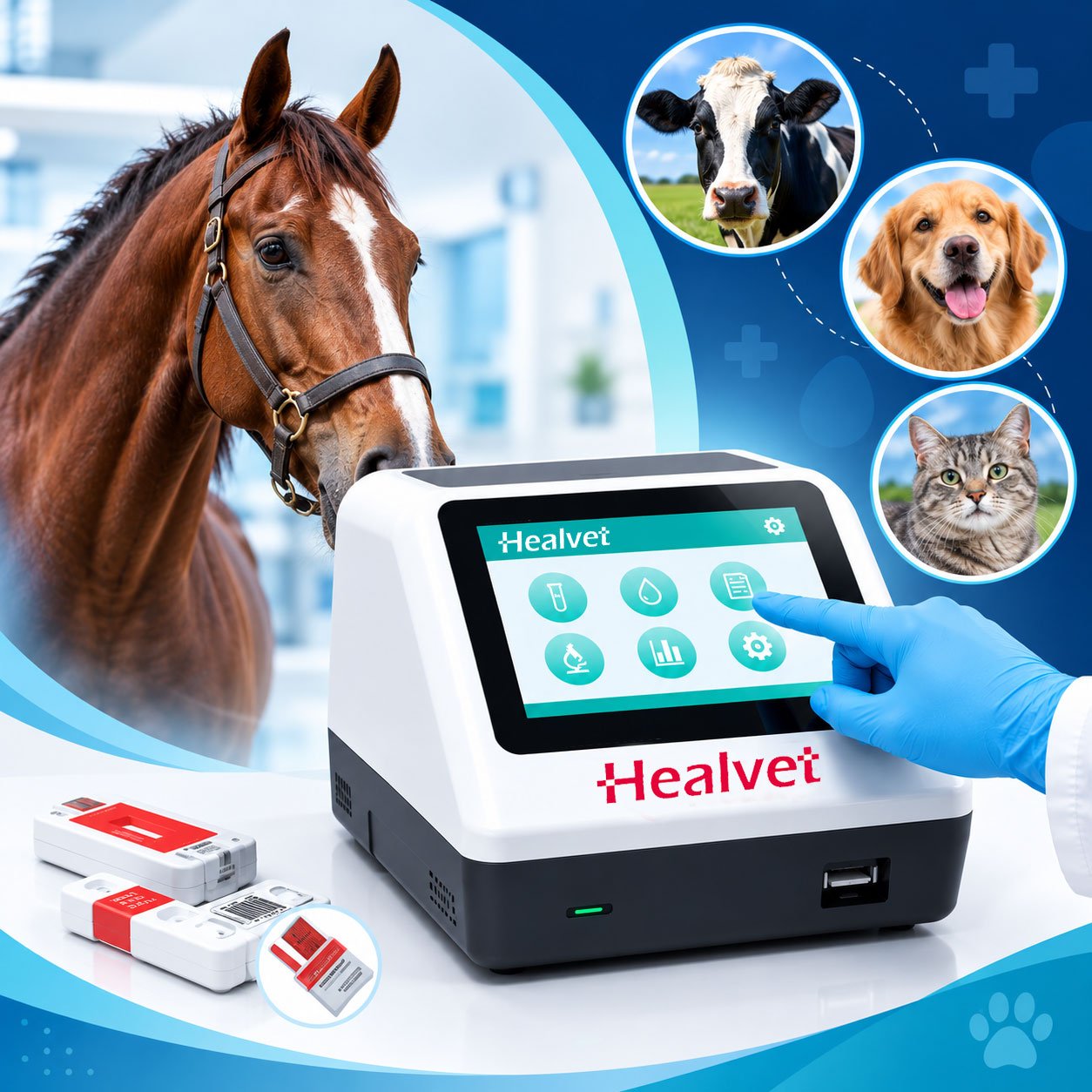
Considering equine SAA testing for your veterinary practice? Contact BIODX to confirm current assay availability, review the HV-FIA 3000 workflow and discuss whether the platform matches your clinical and operational requirements.