
EQUINE INSULIN TESTING — BRING METABOLIC TESTING CLOSER TO THE HORSE
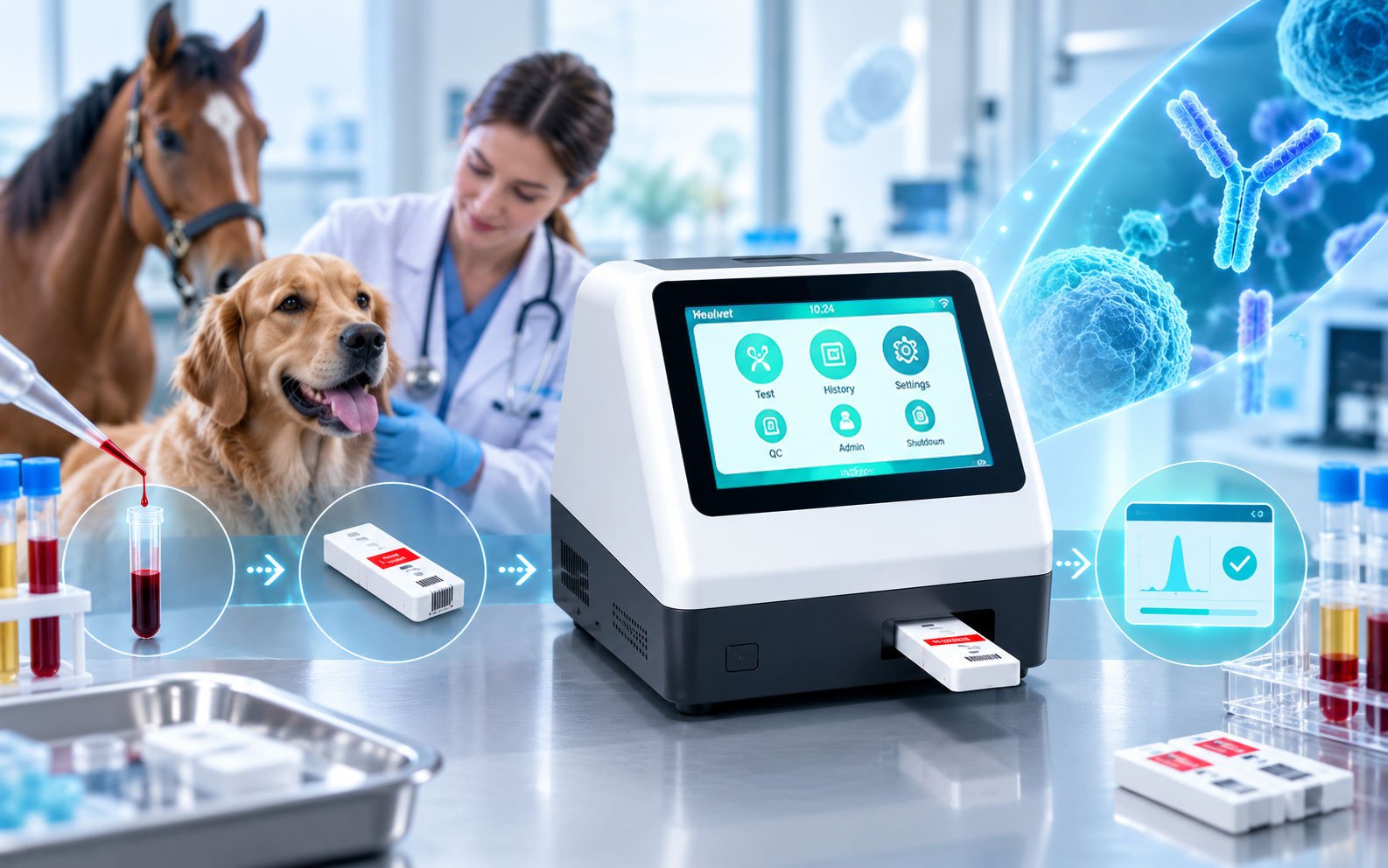
Quantitative equine insulin testing using the BIODX HV-FIA 3000 Veterinary Immunofluorescence Analyser.
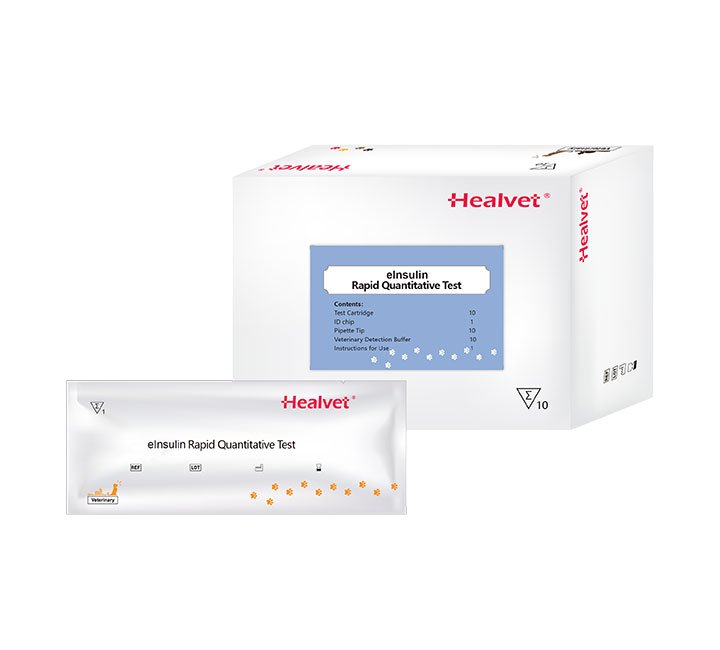
What is Equine Insulin?
Equine insulin testing measures the concentration of insulin in a horse's blood. Insulin is a hormone produced by the pancreas that regulates blood sugar levels and plays a crucial role in metabolism. Abnormal insulin levels can indicate various metabolic and endocrine conditions that require veterinary attention.
This test is particularly important for identifying insulin resistance, a condition where the horse's cells become less responsive to insulin. Insulin resistance is strongly associated with equine metabolic syndrome (EMS) and is a significant risk factor for laminitis, a painful and potentially life-threatening condition.
WHY BRING EQUINE INSULIN TESTING IN-HOUSE?
When Should Equine Insulin be Tested?
How Equine Insulin Testing Works
Clinical question
identify why insulin testing is being performed
Select protocol
Choose the appropriate resting or dynamic testing approach
Collect sample
Follow the current assay/protocol requirements
Prepare sample
Process according to the current IFU
Run the test
Load the prepared sample into the FIA workflow
Quantitative result
Review the result with the clinical history and testing protocol
Clinical interpretation
Determine next steps as part of the overall veterinary assessment.
Sample & Testing Information
WHERE INSULIN FITS
• Clinical examination and history.
• Body condition and regional fat distribution.
• Laminitis history and current foot health.
• Diet and management review.
• Appropriate insulin testing protocol.
• Additional testing when clinically indicated.
TESTING PROTOCOL MATTERS
• Document the horse's recent feeding and management.
• Use the sampling protocol appropriate to the clinical question.
• Handle and process the specimen according to the current assay instructions.
• Record relevant clinical and dietary information with the result.
• Interpret against the appropriate laboratory/assay guidance rather than applying an unsupported universal cut-off.
WHY TEST INSULIN IN HORSES?
Equine insulin testing can provide objective information when a veterinarian is investigating possible insulin dysregulation or metabolic disease. It may be particularly relevant when a horse has clinical or management features associated with metabolic risk.
• Investigation of suspected insulin dysregulation.
• Support for assessment of horses at risk of equine metabolic syndrome (EMS).
• Assessment of metabolic status in horses with a history or risk of laminitis.
• Investigation of abnormal body condition or regional adiposity in an appropriate clinical context.
• Monitoring selected horses as part of a broader management and veterinary plan.
• Providing quantitative information alongside clinical examination and other diagnostic findings.
WHO IS THIS TEST FOR?
Equine veterinary practices
Equine hospitals and referral practices
Performance horse practices
Mixed veterinary practices
Horse studs and breeding operations working with veterinary oversight
Practices managing horses with metabolic or laminitis risk
Quick Benefits
Quantitative Point-of-Care
Quantitative equine insulin testing on a compact veterinary immunofluorescence platform.
Investigate Metabolic Health
Designed to support investigation of insulin dysregulation and equine metabolic health.
Objective Information
Useful when clinical signs, body condition, and metabolic risk require objective laboratory information.
Compact & Multi-Assay
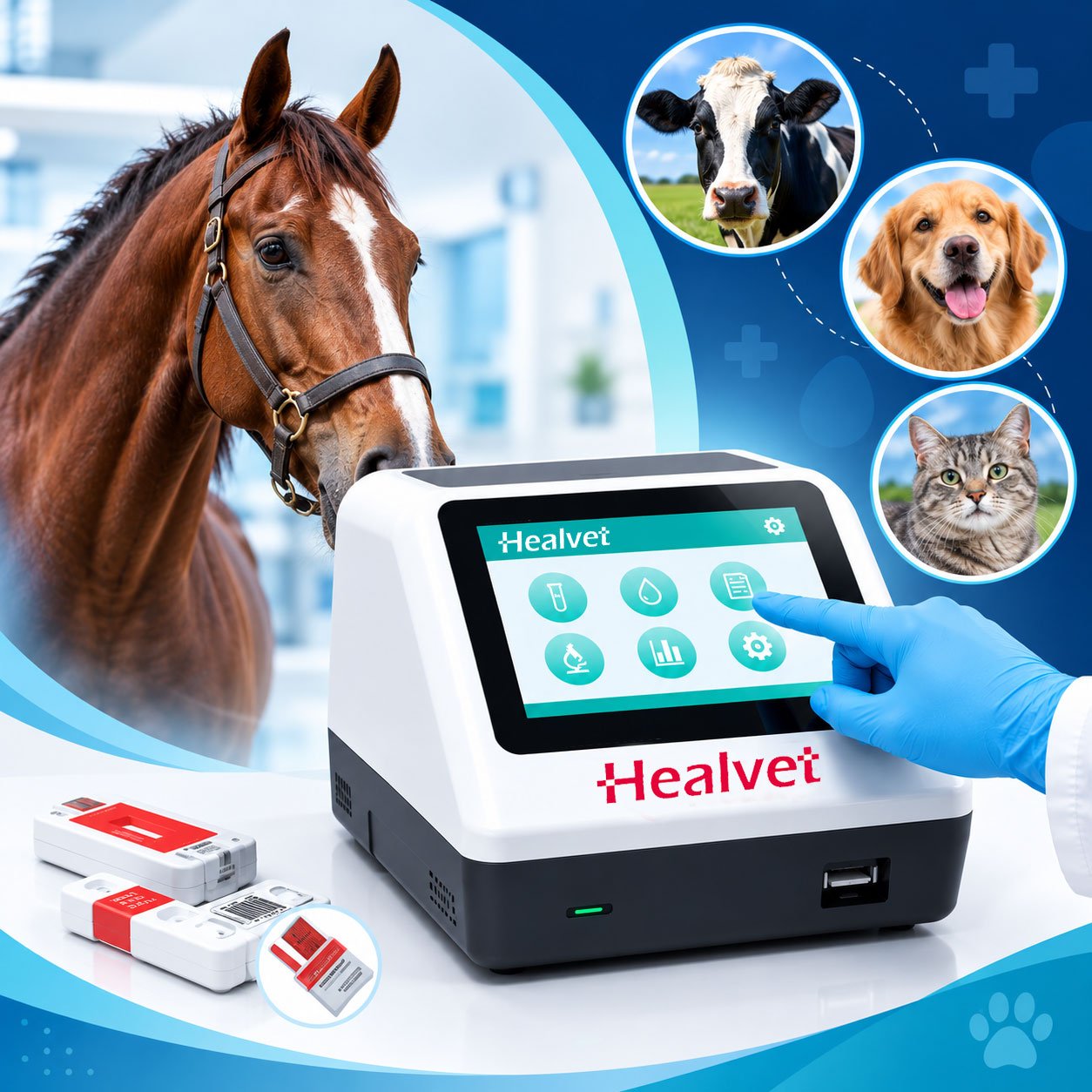
Small, compact analyser supporting insulin, SAA, ACTH, Foal IgG, and progesterone on one platform.
The BIODX HV-FIA 3000 supports quantitative equine insulin testing as part of its equine immunoassay menu
• Equine insulin (eINS) assay.
• BIODX specification: 75 μL sample volume.
• BIODX specification: approximately 15-minute reaction/test time for eINS.
• Intended clinical application stated by the BIODX: insulin dysregulation, EMS, laminitis risk and PPID suspicion.
• Use the current Australian assay IFU for specimen requirements, preparation, storage, reference information and final reporting requirements.
ONE ANALYSER. MORE EQUINE QUESTIONS
The HV-FIA 3000 can support a broader equine testing workflow beyond insulin, subject to the current available assay menu.
Technical Specifications
| Test | Equine Insulin (eINS) |
|---|---|
| Platform | BIODX HV-FIA 3000 Veterinary Immunofluorescence Analyser |
| Sample volume | 75 μL — manufacturer brochure specification |
| Test/reaction time | Approximately 15 minutes — manufacturer brochure specification |
| Clinical applications stated | Insulin dysregulation, EMS, laminitis risk, PPID suspicion |
| Specimen requirements | Follow current Australian eINS IFU |
| Reference interval / cut-off | Follow current assay-specific and protocol-specific guidance |
| Interpretation | Veterinary clinical interpretation required |
Related Tests
Frequently Asked Questions
What is an equine insulin test? +
Why test insulin in horses? +
Can insulin testing diagnose EMS? +
Can insulin testing help assess laminitis risk? +
Should the horse be fasted? +
Can I use a random insulin sample? +
How long does the BIODX eINS test take? +
Can the same analyser test ACTH and SAA? +
Is the result a replacement for a reference laboratory? +
Ready to Implement Equine Insulin Testing?
Contact our team to discuss in-house testing solutions or to learn more about equine diagnostic capabilities.